Effects of artificial lighting on our pets, particularly dogs - Featured Image

Why Talk About Light Pollution and Pets? When we discuss light pollution, the conversation typically centers on stargazing, the impact on migrating birds, or the

5 Ways in Which Light Pollution Is Affecting Texan Wildlife - Featured Image

Step outside on a clear night and you’ll see an endless sea of stars. However, you may not be able to see as many stars

How Communities Across Texas Are Fighting Light Pollution - Featured Image

Across most urban areas around the world, what should be a tapestry of thousands of celestial points has been washed out by the orange glow

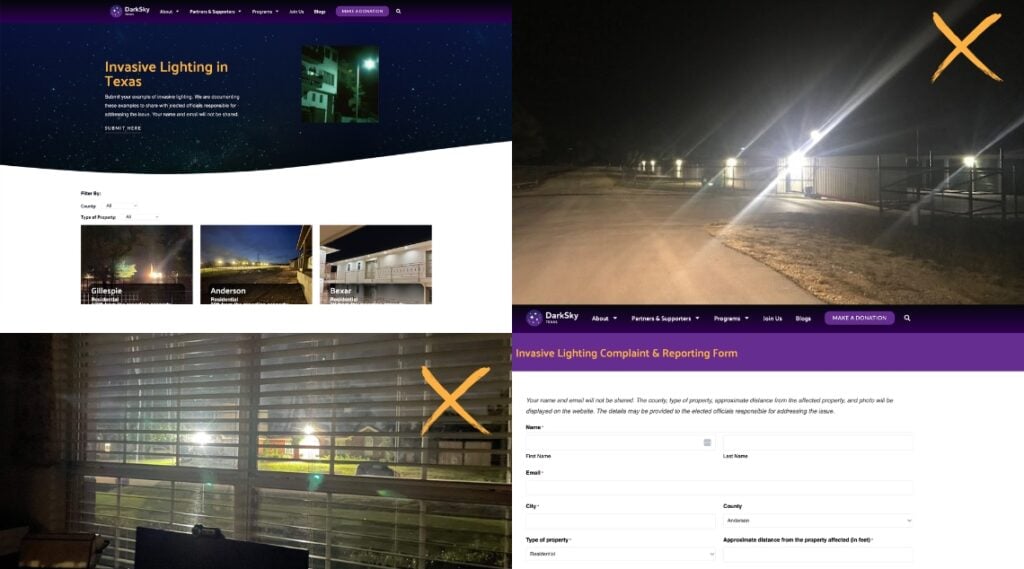
How Invasive Lighting is Impacting Texas And What You Can Do About It - Featured Image

Have you ever had a neighbor’s floodlight beam into your bedroom all night? Or been abruptly blinded while crossing a quiet street at night?  Both

The Cultural History of Texas Night Skies - Featured Image

Away from city lights, the Lone Star State reveals a celestial canvas that has remained untouched for millennia. Over the past century, cities and suburbs

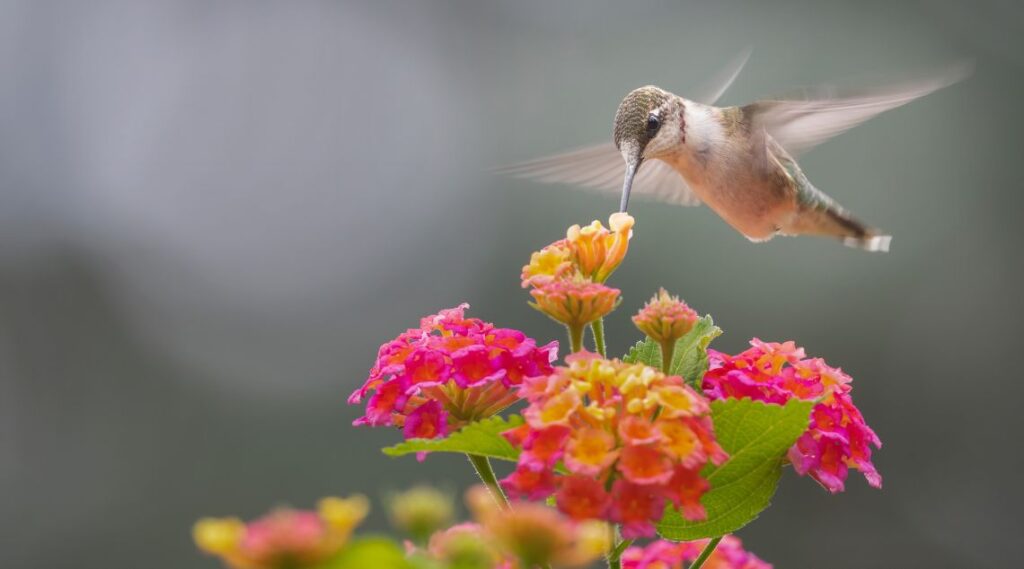
A hummingbird is seen feeding on lantana, capturing a moment of nature's elegance and the essential role of pollinators.

Native ecosystems rely on a delicate balance between the plants, animals, and the terrain they live in. Much of this equilibrium happens thanks to the

does outdoor lighting deter crime and burglars

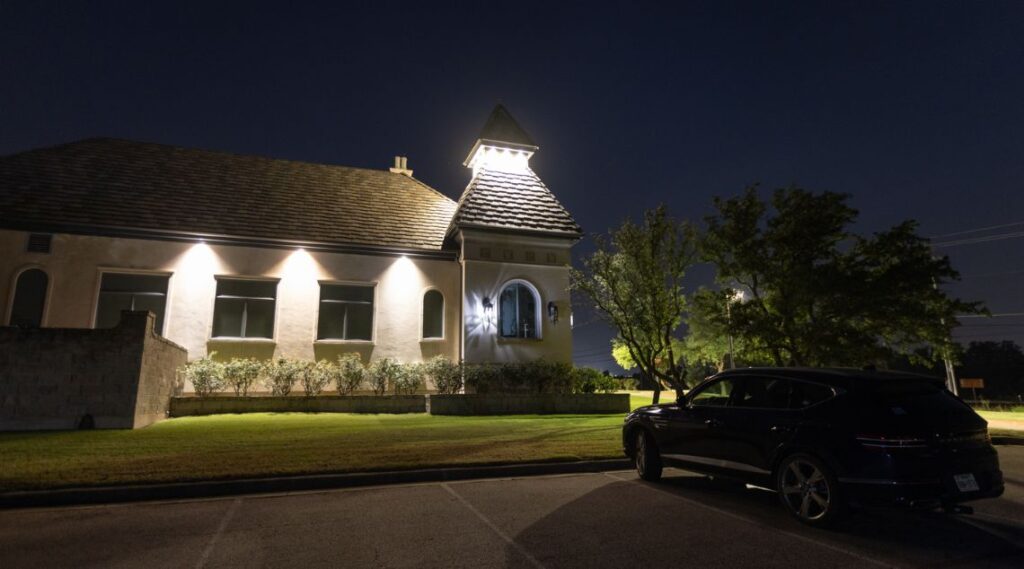
Many people assume that a brighter property is automatically a safer property. That is why outdoor security lights are common around homes, businesses, driveways, parking

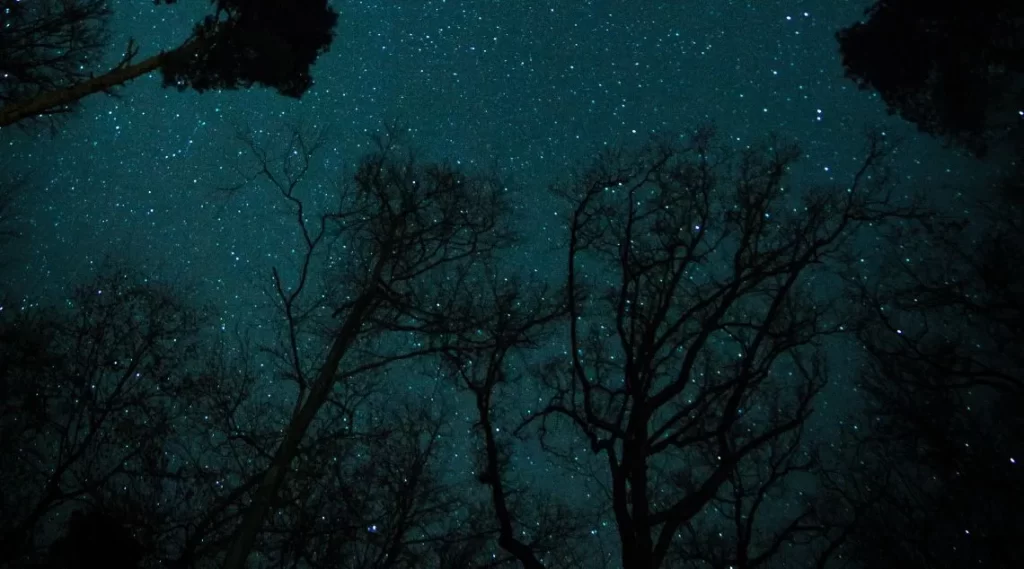
A serene night sky adorned with countless stars, illuminating the silhouette of trees below.

DarkSky Texas talks a lot about light pollution, and one of the top questions we hear is, “How does light pollution affect the environment in

skyglow

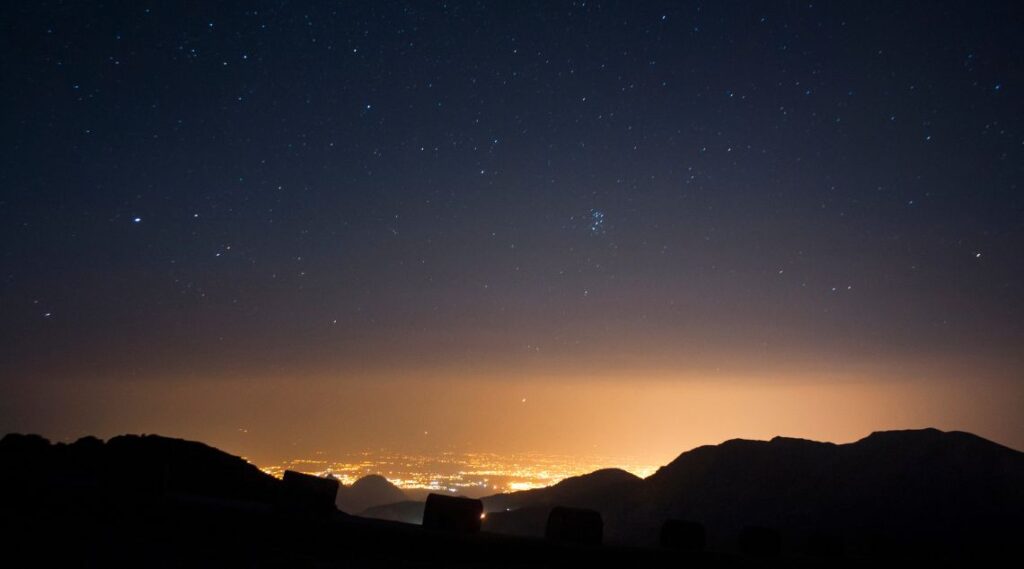
Skyglow is the artificial brightening of the night sky caused largely by artificial light at night. Instead of seeing a naturally dark sky, people living

how does light pollution work

Light pollution happens when artificial light changes the naturally dark nighttime environment. Light that is too bright, poorly directed, left on when it is not