
Light Doesn’t Always Mean Better
Picture a Texas retail center bathed in intense overhead lighting, illuminating the parking lot, the neighboring properties, and the sky above. Month after month, utility bills climb. Glare enters nearby homes, making customers uncomfortable under the harsh lights and shadows.
Many businesses operate under the assumption that more light is better. In reality, excessive artificial light generates real costs. It erodes profit margins, damages community relationships, and undermines the very goals it was meant to achieve.
What Is Light Pollution and How Does It Waste Business Resources
Light pollution refers to misdirected, excessive, or obtrusive artificial light caused by poor lighting design. Common culprits include unshielded street lamps, parking lot fixtures, and excessive exterior building lights.
Ultimately, misdirected light becomes wasted light. Approximately one-third of all outdoor lighting is wasted. For businesses, this means paying for electricity that provides no benefit to operations, safety, or customer experience.
Economic Impacts on Business
Any business owner faces this uncomfortable truth: waste costs money. When it comes to light pollution, it can get harder to see exactly how the money is slipping away. Let’s look at 5 ways in which excessive lighting wastes money:
1. A direct financial hit: Wasted light inflates utility bills. In the United States, wasted outdoor lighting represents about $2.2 billion annually. This is money that could be invested in business growth, employee compensation, or customer experience.
2. Damage to the environment: Wasted light releases 21 million tons of carbon dioxide per year. Offsetting this pollution would require planting 875 million trees annually.
3. Reduced property value and desirability: Excessive lighting and glare diminish property values and make commercial spaces less desirable. Glare can also impair drivers’ visibility, creating real safety concerns.
4. Astrotourism losses: Texas possesses some of the darkest remaining skies in the continental United States, particularly in West Texas and the Hill Country. Light pollution threatens these areas and, by extension, an industry that already generates $5.8 billion for the nearby Colorado Plateau.
5. Reputational damage: Businesses identified as sources of light pollution also face increasing reputational risks. As public awareness grows about the health, environmental, and quality-of-life impacts of excessive lighting, companies seen as indifferent to these concerns lose community trust.
IV. Benefits of Dark-Sky-Friendly Lighting for Businesses
Adopting dark-sky-friendly lighting practices delivers measurable benefits that directly improve business performance.
The most immediate one is financial: installing outdoor-quality lighting can cut energy consumption by 60 to 70%. While those savings compound, businesses can also enjoy improved aesthetics and ambiance by focusing light where it’s actually needed.
By taking a step back into the wider community, we also see further benefits. Moderate and timed light creates healthier work environments, enhancing sleep quality and improving workplace satisfaction. It will also impact local wildlife and create opportunities for further recognition and awards, such as those from DarkSky Texas.
V. DarkSky Principles: The Business-Friendly Lighting Approach
Dark-sky-friendly lighting follows five core principles that align environmental responsibility with sound business practices:
- Useful: Determining whether each light has a clear and direct purpose.
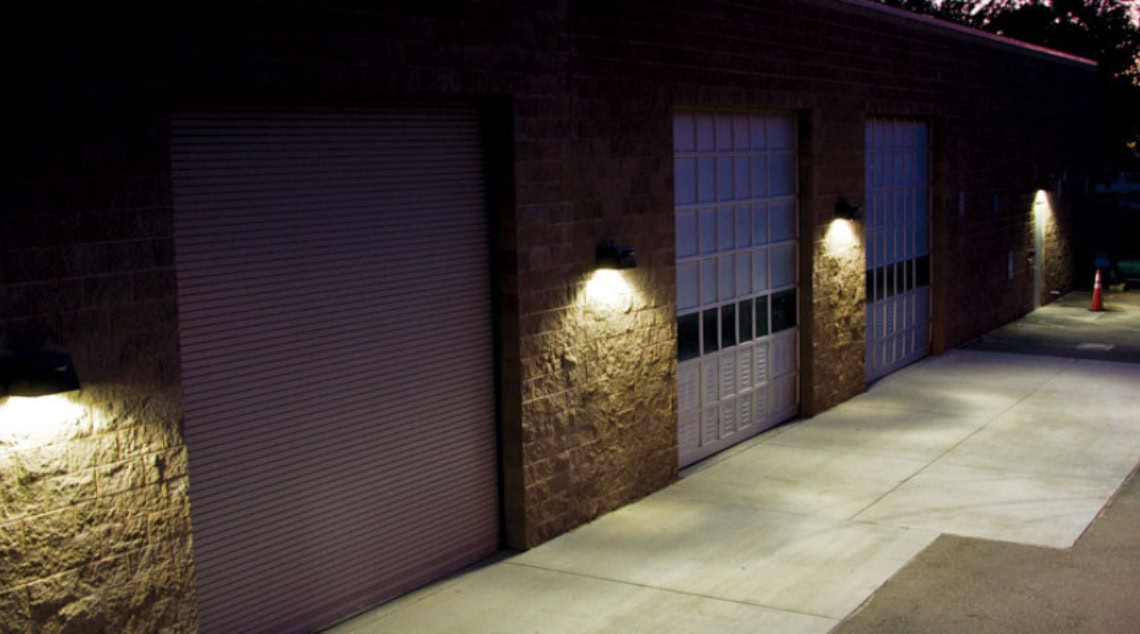
- Targeted: Ensuring light is directed only where needed and shielded so it doesn’t travel where it’s not.
- Low Level: Light should be no brighter than necessary.
- Controlled: Motion sensors, timers, and dimmers ensure lights operate only during necessary hours.
- Warm-Colored: Use warmer color temperatures, which are less disruptive to human and animal circadian rhythms.
VI. Practical Steps for Texas Businesses
Texas businesses ready to reduce light pollution and capture associated benefits can take concrete action.
The first step should be conducting a thorough lighting audit. Assess all outdoor lighting fixtures according to the principles above, and document your current energy consumption.
Next, you can start working on reducing this bill. Retrofit your existing fixtures with shields, directional sensors, motion sensors, and timers. Then, when you replace any high-temperature bulbs with warm-white LEDs or compact fluorescents, you can select bulbs with about half the wattage as the original since the shields will concentrate the useful light where you need it. Consequently, you can have the same amount of useful light as you did without the shields but you won’t be paying for light to go to other properties nor into the sky.
Many businesses across Texas have already implemented these changes, and you can always look to them for inspiration. As dark-sky-friendly practices become established, pursue recognition from DarkSky Texas with the Be A Star Award. This acknowledgment will inspire the broader community to undertake similar initiatives!
Broader Benefits
Being recognized as a responsible neighbor builds lasting relationships with residents and community organizations. This goodwill translates to support during business expansions and zoning requests.
Meanwhile, reducing lighting-related emissions provides documented progress toward sustainability goals. This can increase your business’s appeal to eco-conscious customers. Dark-sky-friendly lighting (especially if acknowledged by a recognized advocacy organization) provides visible evidence of environmental commitment.
Final Thoughts
Smart lighting equals smart business. The evidence is overwhelming: excessive, misdirected, and poorly controlled lighting wastes enormous resources while providing no benefit
We encourage every Texas business to conduct a lighting audit, identify opportunities for improvement, and begin implementing changes. And what about private citizens? There are many additional ways to help. Join DarkSky Texas in our mission to preserve the natural night sky. You can also pledge to audit and improve your lighting or support our work with adonation.
The stars are waiting. Let’s make sure Texans can still see them.